

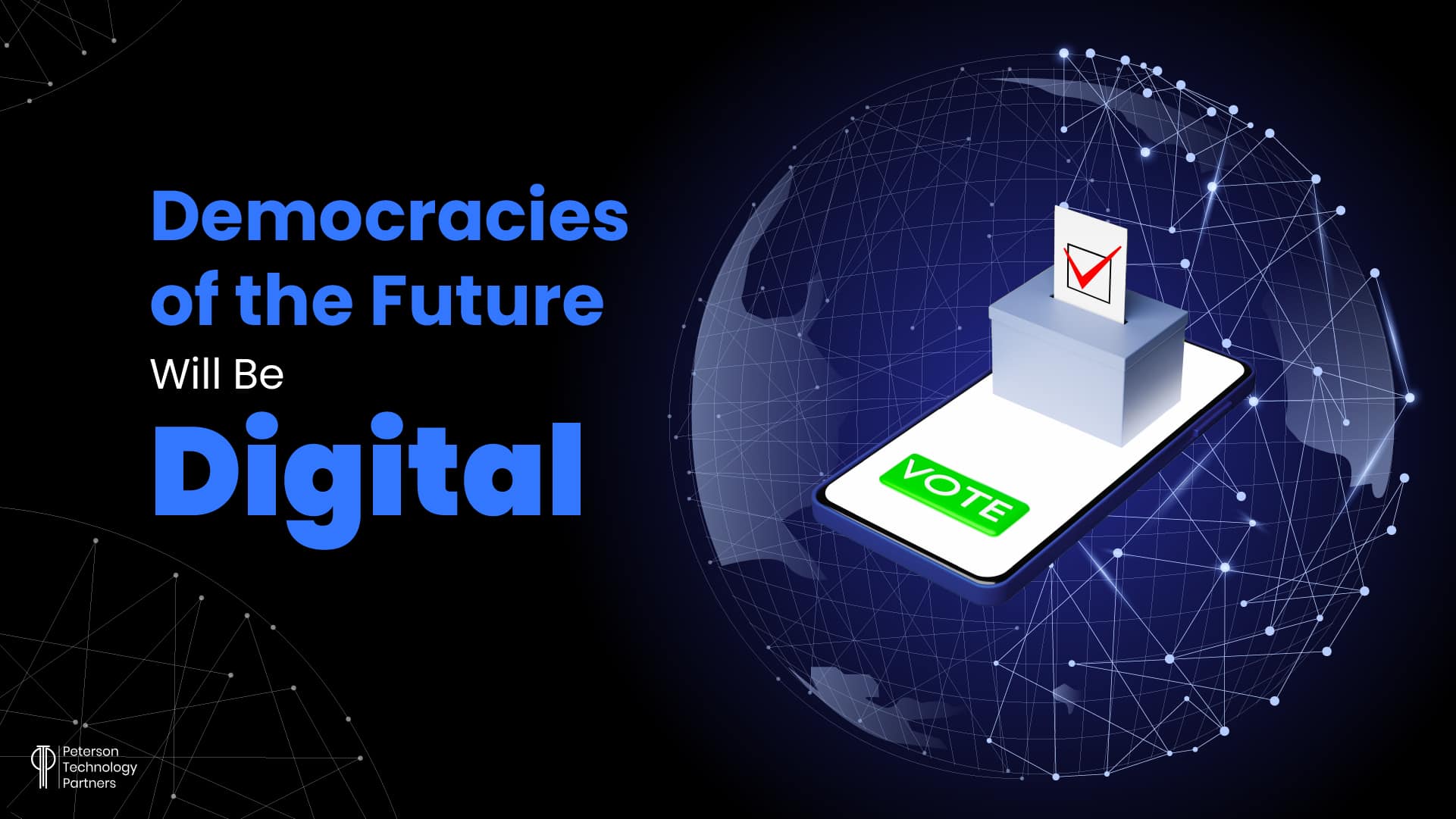
Democracy. Digital. Iceland.
These seemingly disparate categories came together in 2012 in what became known as pirate party politics. In response to the financial crisis and corruption that affected Iceland at the time, a few citizens and digital activists decided to found a political party. Their goal was to promote authenticity, open debate, transparency, and increased participation through digital technology. They committed to pirate party politics, which includes direct democracy, civil rights, net neutrality, and the free sharing of knowledge. This marked the birth of the Icelandic Pirate Party (Píratar).
The party uses various digital technologies to promote democratic values. For example, online video conferencing tools help facilitate policy debates between party members and constituents. One of their most notable examples is their digital platform x.piratar.is. The platform is an established part of the party’s deliberation process. Every new policy is first shared on the platform, where it is debated for a week and then voted on by party members across the country. In addition to x.piratar.is, the Icelandic Pirates also use forum tools such as Discourse to host discussions with the Icelandic public.
Thanks to their efforts to create a digitized, transparent, and accessible democratic system in Iceland, the Icelandic Pirate Party won over 15% of the vote in the 2016 general elections and became Iceland’s second-largest political party. Since then, Iceland and other countries with technology-driven civic participation have been referred to as digital democracies.
But does digital transformation serve a greater purpose beyond simplifying processes and improving access? Can these so-called “digital democracies” actually lead to greater civic participation and democratization of society? The short answer is yes, without a doubt.
GovTech and Democracy
Governments around the world have recognized the importance of digitizing their processes and the role digital transformation can play in improving the quality and accessibility of public services. In democratic countries, digital transformation also helps bring governments closer to the public and gives citizens a greater role in decision-making. This connection between governance, public services, and technology has led to the rise of what some experts call GovTech.
GovTech is a partnership between governments and private entities to develop solutions for public challenges. Governments may fund the development of these technologies or work with third-party technology companies to create solutions for specific problems. GovTech solutions are used in areas such as transportation, education, financial services, procurement, and public utilities. Estonia, for example, is considered one of the most advanced digital societies in the world. Around 99% of Estonia’s public services have been digitized, and more than 95% of its citizens use an electronic identity card.
Experts predict that continued development in government technology will help create more efficient and democratic systems where public services can better meet citizen needs. Research by Accenture suggests that 75% of citizens globally believe GovTech benefits democratic participation, while more than 60% are willing to take an active role in personalizing services. When the Danish government introduced NemKonto, an online portal that allows citizens to complete public transactions through a digital ID card, more than 95% of the country signed up.
Bringing Water to Mexico City
Mexico City faced a major water crisis in 2018 when its water supply system, called Cutzamala, was shut down for essential repairs. More than one million residents lost access to water, creating city-wide concerns about a possible drought. Public officials attempted to mobilize government resources and establish an emergency water supply system but were unsuccessful. Faced with the risk of a city-wide drought, the Mexico City government partnered with private enterprise Cityflag to develop a solution.
Working with city officials, Cityflag developed and deployed a mobile application to monitor water distribution in real time. The application included a dashboard feature that tracked water supplies across different areas of the city. The solution helped deliver more than 400,000 gallons of water to millions of Mexico City residents and helped prevent a larger crisis. The partnership between Mexico City and Cityflag is now considered an example of how GovTech can improve public services.
The Rise of Civic Tech
The other side of GovTech is civic tech. Civic tech refers to technology created by private organizations with the goal of solving civic challenges. Unlike GovTech, which is developed by governments to address local issues, civic tech often has global applications because it focuses on problems shared by many societies.
The goal of both GovTech and civic tech is similar: to use technology to improve public services and create better governance. Like GovTech, civic technologies can also help strengthen democracy and democratic institutions.
Civic tech can help advance democratic values by:
Putting citizens first: Civic tech is designed to address shared community concerns. Its use can make it easier for citizens to access services and improve their overall quality of life.
Making governance less expensive: Civic tech can help reduce financial burdens, especially in less wealthy nations, by creating simpler and more cost-effective ways to deliver services.
Removing middlemen: In many developing countries, citizens often rely on third-party operators to navigate complex government processes. These intermediaries may help bypass bureaucratic challenges in exchange for a fee, which can contribute to corruption. Civic tech reduces the need for middlemen by giving citizens direct access to government services.
Decide Madrid
Following the anti-austerity protests in 2011 and the Spanish financial crisis of 2014, a group of like-minded Madrileños, supported by the political party Ahora Madrid and the city’s mayor, collaborated to create an online platform called Decide Madrid. The platform was designed to ensure that every citizen had a voice and could participate in the city’s decision-making process.
Citizens could participate in four main ways: proposing ideas for new legislation, which could then be discussed and voted on; voting on projects to prioritize in the annual budget; participating in public debates; and responding to surveys on important public issues.
By 2018, Decide Madrid had more than 400,000 registered users and received the UN Public Service Award for “establishing more open, transparent, participatory, and inclusive governance models.”
Conclusion
More than 5 billion people now have access to and regularly use the internet. That represents over two-thirds of the world’s population. A We Are Social report published in 2020 found that people spend an average of more than 6 hours a day online for activities such as entertainment, work, education, and communication. In developed countries with high-speed internet access, this average increases to 9 hours.
In just a few decades, digitization and digital transformation have become essential parts of everyday life. Our personal lives increasingly rely on the Internet of Things (IoT) and the connected experiences it enables. Today, most companies understand the importance of investing in digital transformation, and the public sector is also moving toward greater technology adoption.
Peterson Technology Partners (PTP) has partnered with some of the biggest Fortune brands to offer excellence of service and best-in-class team building for the last 25 years.
PTP’s diverse and global team of recruiting, consulting, and project development experts specialize in a variety of IT competencies which include:
- Cybersecurity
- DevOps
- Cloud Computing
- Data Science
- AI/ML
- Salesforce Optimization
- VR/AR
Peterson Technology Partners is an equal opportunities employer. As an industry leader in IT consulting and recruitment, specializing in diversity hiring, we aim to help our clients build equitable workplaces.